
This adventure takes you throughout the park. You may complete the 10 Locations challenge in one or more visits. Show your photos to the interpretive naturalist to earn a sticker. If the Nature Center is closed upon your completion, email your photos and mailing address to SPContests@dnr.IN.gov, and your sticker will be mailed to you.
HERE’s THE TEN LOCATIONS:
1. CCC Flagpole:
Outside the Nature Center. The Civilian Conservation Corps began April 5, 1933, by Act of Congress. Unmarried men ages 18-21 and some WW I veterans were enrolled for six-month enlistments. Company 556 (later Company 1563) arrived at the Indiana Dunes State Park on Oct. 27, 1933.
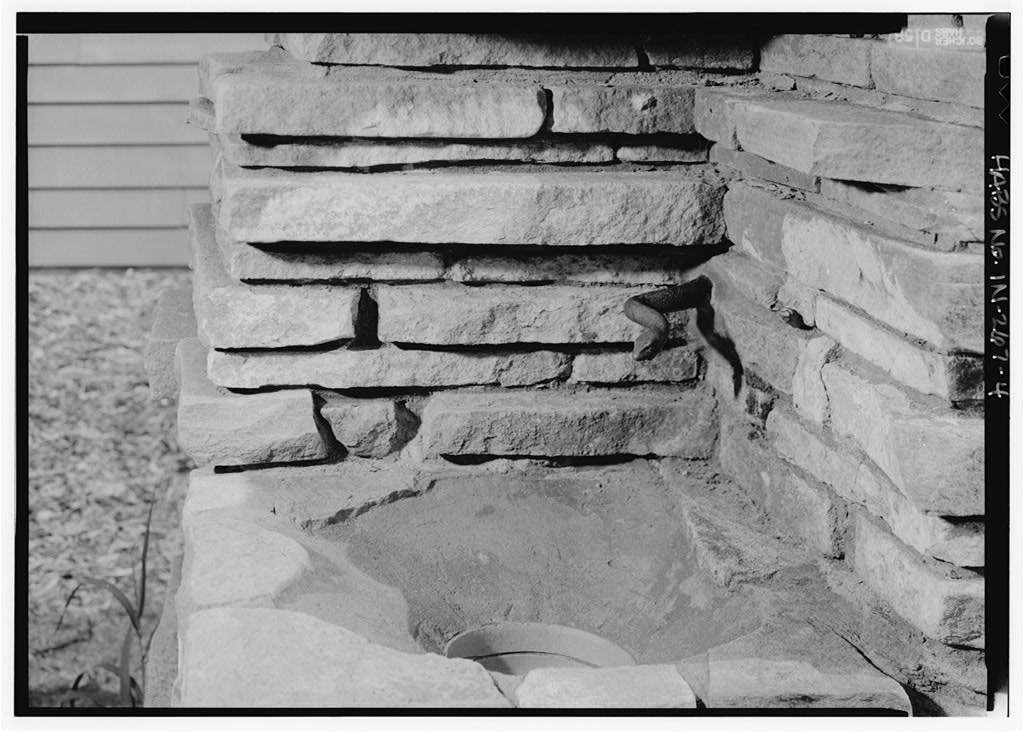
2. Jen Jensen Fountain:
Outside the Nature Center. The Prairie Club was an organization from Chicago that helped create Indiana Dunes State Park. Jen Jensen, a prominent landscape architect, was a member. He designed the memorial fountain that is now at the Nature Center that was donated to Indiana in 1932.
3. 100 Years of Indiana Dunes Display
Inside the Nature Center. The mission of Indiana State Parks is to conserve, manage, and interpret our resources while creating memorable experiences for everyone. The photos and other historic objects capture a glimpse of the memories made in the past century. These cultural artifacts from the Dunes carry the narrative of those who visited and inhabited this property before us.
4. Wilson’s Shelter
Located off park road, location marked on property map. This structure is an original building constructed by
the Civilian Conservation Corps that is still used. The CCC company stationed at the Dunes, created a newspaper call The Hoosier Dunesman. On June 22, 1934, one of its reporters wrote, “Although we shall soon move to the Pokagon State Park, we shall long remember the sky-blue waters of Lake Michigan and the sparkling sands of the Dunes.”
5. Nature Preserve Plaque
Located on a small memorial block by Trail 8 entrance near Wilson’s Shelter In 1975, Indiana Dunes State Park was designated a National Natural Landmark. The park has three nature preserves: Dunes Nature Preserve, Dunes Prairie Nature Preserve, and the J.D. Marshall Underwater Preserve. Combined, they cover two-thirds of the park.
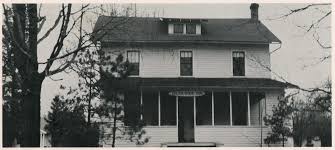
6. Duneside Shelter
Located Off park road, as marked on property map. The site of Duneside Inn, a converted farmhouse, was north of the South Shore Railroad station at Tremont. To access the inn, one had to enter the Tremont entrance into the state park, which, like the inn, no longer exists. In 1932, one could stay at the inn for $2.50 to $3.50 per day, which included meals.
7. Old Stone Gate House
Located at the park entrance. The park officially opened to the public on July 1, 1926, charging 10 cents per person to enter. After construction of the Bathing Pavilion in 1929, the state park was further improved upon with this beautiful entrance. There are four uplifting quotes about nature printed on the gatehouses.
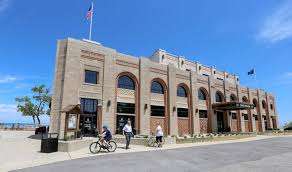
8. Beach Pavilion
Located on beach as shown on property map. Construction began on the Pavilion in 1929 and finished in 1930 at a cost of $100,000. The building had bathrooms, a bathhouse, a concession stand, and a restaurant. Restoration began in 2015. It
remains a beloved landmark of Indiana Dunes State Park.
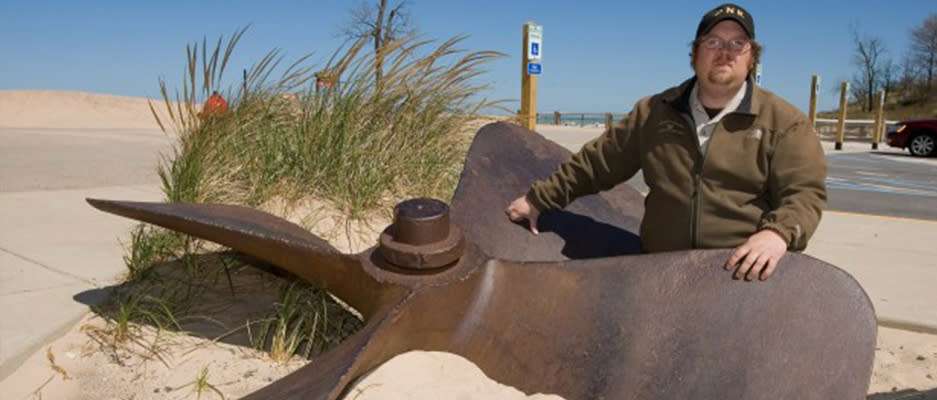
9. J.D. Marshall Propeller
Located by the Beach Pavillion. This is the actual propeller from the sand hauling vessel that sunk near the shore of the future site of Indiana Dunes State Park. On June 10, 1911, a squall came upon the ship, sinking it. Four crew members
tragically lost their lives. The captain saved three others. Today, the wreck is safeguarded as Indiana’s first underwater nature preserve.
10. Daylighting Area at Dunes Creek
Located off park road, near the trailhead of the accessible Beach Trail. This location marks the former barracks of the
Civilian Conservation Corps. Upon CCC’s arrival, its young men built their own accommodations, which included paving a 3-acre site for their camp. Dunes Creek flowed through this region, prompting the men to install hundreds of feet of culvert to channel the creek under the lot. For 70 years, Dunes Creek flowed while hidden beneath the lot . In 2009, the
creek was uncovered, allowing it to bask in the sunlight once more.
DISCOVER THE RICH HISTORY OF YOUR INDIANA STATE PARKS
MORE RELATED ARTICLES . . .

Indiana Dune’s Mount Baldy Closed Thru Mid – June 2026
The Mount Baldy Access Site will be closed from late March to mid-June 2026 as the Indiana Dunes National Park Service undertakes a key project to manage sand movement and stabilize the shoreline. Over the years, windblown sand has covered parts of the parking area and sanitation facilities. This effort is designed to…

Mount Baldy is No Longer Bald
Story by Friends of Indiana Dunes Mount Baldy is a 126-foot-tall sand dune located at the southern tip of Lake Michigan, lying near the eastern end of Indiana Dunes National Park and just west of Crescent Dune . This parabolic dune began forming some 4,000 years ago and is continually changing because of natural and…

EPA to Spend 200 Million Dollars to Clean Up Grand Calumet River
While long-term dredging in the Indiana Harbor Canal (Phase 2) began in 2021, new major cleanup projects for both the Indiana Harbor and the Grand Calumet River are set to begin in late 2026, following a 2026 EPA announcement of over $200 million for sediment remediation and restoration to remove pollutants. (More info…

Hobart Marsh Plan by the IDEM and Lake Michigan Costal Program
During our research on the effect of the Hobart Data Center on the environment, we found the Hobart Marsh Plan document worth looking into. This 21 page document was published in 2016, further emphasizes the importance of the Hobart Marsh Ecological importance. The area location is bounded by Interstate 65 to the west;…

New Report Published about the Effects of Data Centers On the Great Lakes
The Hobart Indiana Data Center is located closer to Lake Michigan than most folks realize. It’s actually 12 miles as the crow flies, and 16 miles using a 100% waterway, from Deep River (Hobart) to Lake Michigan. The effect of Data Centers on the Great Lakes is an important issue that should be…

Susie Young Baxter, CEO, has published PanoramaNOW Magazine for 31 years. Her hobbies are Camping, Boating, Hiking, Nature, Gardening and Outdoor Activities. She is an Artist, Graphic Designer, an Avid Seamstress, Dabbles in Homemade Crafts and Landscaping. Since her Father was a Health Teacher, she also likes homeopathic Health Solutions. Since blogging started over 10 years ago, PanoramaNow has been added to Newsbreak – a national news affiliate.


