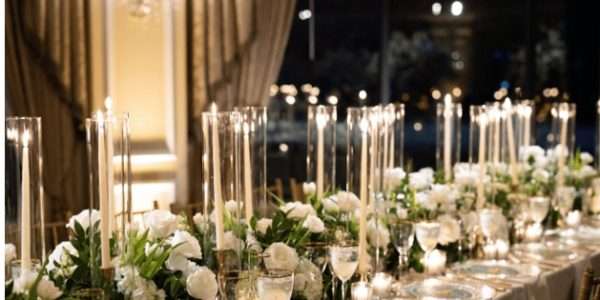
A memorable table does more than hold dinner. It sets the mood before the first plate arrives and gives guests a reason to linger after the meal is finished. That is the appeal of tablescaping: turning an everyday surface into a thoughtful setting for conversation, food, and company.
Fortunately, a beautiful table does not require an enormous dining room or a cupboard filled with special-occasion pieces. The most inviting arrangements often come from a few well-chosen details, a clear sense of proportion, and some restraint. From candlelight to natural textures, here is how to create a table that feels considered without becoming overly formal.
Start With the Occasion, Not the Decorations
Before choosing flowers, linens, or dinnerware, think about the gathering itself. A relaxed weekend lunch calls for something different from an intimate anniversary dinner. The table should suit how people will actually use the space.
For a casual meal, you might keep the center of the table open and use small arrangements dotted between serving dishes. A more formal dinner can carry a little more drama, perhaps through taller candlesticks or layered place settings.
It also helps to choose a simple direction before decorating. This does not need to be a strict theme. Instead, think in terms of atmosphere: warm and rustic, crisp and contemporary, romantic, seasonal, or garden-inspired.
Once you know how you want the table to feel, deciding what belongs on it becomes much easier. It also reduces the temptation to add decorations simply because you have them.
Build the Table in Layers
A well-styled table rarely relies on one impressive centerpiece. Instead, it develops through layers.
Begin with the largest elements. A tablecloth instantly changes the character of a dining table, while a runner can provide definition without hiding the surface underneath. For a more relaxed setting, placemats may be all you need.
Next, add the practical pieces: plates, glassware, cutlery, and napkins. Try not to treat these purely as functional objects. Their shapes, materials, and colors contribute to the overall composition.
Then bring in smaller decorative details. Jamali Garden, for example, fits naturally into this stage of the planning process when you are considering decorative pieces for a gathering. The important thing is to select items that work with the rest of the table rather than compete for attention.
A useful approach is to repeat certain materials or colors two or three times. A natural linen napkin might echo the tone of dried grasses, while a brass-toned detail could appear in both candleholders and serving pieces. Repetition gives the arrangement a sense of intention.
Use Candlelight to Shape the Atmosphere
Lighting can completely change how a dining table feels. Bright overhead lighting may be practical while setting up, but softer light usually creates a more comfortable atmosphere once guests sit down.
Candles are particularly useful because they provide both light and decoration. Rather than automatically placing two matching candles on either side of a centerpiece, experiment with different heights and groupings. A collection of low votives can feel intimate, while taller tapers bring vertical interest to a longer table.
This is also an opportunity to play with color. Soft neutrals can keep the setting understated, while deeper or seasonal shades can add character without taking over the table. You can find candles in a range of styles from Jamali Garden, making it easy to choose an option that suits the mood and color palette of your tablescape.
Keep practicality in mind, too. Place flames away from foliage, loose fabric, and anything that could easily catch or brush against them. If children or pets will be nearby, choose positions that reduce the chance of candles being knocked over.
Give the Centerpiece Room to Breathe
A centerpiece should attract the eye without becoming a barrier. If guests have to lean sideways to speak to the person opposite them, the arrangement is probably too large.
Low floral displays work well for conversation-friendly tables. Instead of one substantial bouquet, consider several smaller vessels running down the center. This makes it easier to create rhythm while leaving room for food.
Flowers are not the only option. Depending on the season and setting, you could work with:
- Small branches or clipped greenery
- Bowls of citrus or other decorative fruit
- Potted herbs
- Dried flowers and grasses
- Seasonal foliage
- Decorative vessels or sculptural objects
Whatever you choose, leave some empty space. A table packed from edge to edge can feel more like a display than somewhere people are meant to eat. Negative space gives individual objects greater impact and leaves guests somewhere to put bread baskets, drinks, and shared dishes.
Make Each Place Setting Feel Personal
Small details can make guests feel considered without adding much work. Cloth napkins, handwritten place cards, or a single sprig of greenery at each setting can turn an ordinary dinner into something more memorable.
There is no need for every item to match perfectly. In fact, slight variations can make a table feel warmer and less staged. Vintage glasses, different ceramic plates, or mixed napkins can work beautifully when they share a common color or style.
Just keep usability at the center of your decisions. Guests need enough elbow room, glasses should be easy to reach, and decorative objects should not interfere with eating.
This is also where editing matters. Once the table is set, stand back and look at it as a whole. If one area feels crowded, remove something. Good tablescaping is often as much about knowing what to leave out as knowing what to add.
Let the Table Reflect the Season
Seasonal touches can give you an easy starting point without turning dinner into a themed event. Spring might call for fresh greenery and pale linens, while autumn lends itself to warmer textures, earthy ceramics, and branches.
The trick is subtlety. You do not need to fill the table with obvious seasonal symbols. Instead, borrow colors, textures, and natural materials from what is happening outdoors.
Working this way also makes it easier to reuse what you already own. Neutral dinnerware can take on a completely different character when paired with fresh flowers in summer or rich textiles in winter.
Final Thoughts
The best tablescapes are designed around people rather than photographs. They create atmosphere, make the meal feel considered, and still leave enough room for guests to relax, talk, and reach for another serving.
Start with the occasion, build the setting in layers, use lighting thoughtfully, and keep centerpieces at conversation-friendly heights. Most importantly, resist the urge to fill every available space. A table worth gathering around does not have to be perfect. It simply needs to feel welcoming, functional, and thoughtfully put together.
MORE RELATED ARTICLES . . .

How to Host an Elegant Dinner Party at Home
Hosting a dinner party is a great way to spend some quality time with family and friends while enjoying some tasty food. While not every dinner party has to be elegant and sophisticated, it’s nice to go the extra mile and host something really special from time to time. It could be a special occasion or celebration, or just an opportunity to step outside the normal type of gathering. Regardless of the reason, we’ve got some great tips that will help you to host the ultimate elegant and sophisticated dinner party in your home. This will be an evening that your guests won’t forget anytime soon.
CONTINUE READING . . .

Susie Young Baxter, CEO, has published PanoramaNOW Magazine for 31 years. Her hobbies are Camping, Boating, Hiking, Nature, Gardening and Outdoor Activities. She is an Artist, Graphic Designer, an Avid Seamstress, Dabbles in Homemade Crafts and Landscaping. Since her Father was a Health Teacher, she also likes homeopathic Health Solutions. Since blogging started over 10 years ago, PanoramaNow has been added to Newsbreak – a national news affiliate.


