
If you or someone you care about has been struggling with both mental health issues and addiction, you might feel overwhelmed, unsure where to start, or confused about which problem to address first. This situation is more common than you think, and it even has a name: dual diagnosis. Understanding dual diagnosis and getting the right treatment can be the key to finding real, long-lasting recovery.
What Is Dual Diagnosis?
Dual diagnosis, also known as co-occurring disorders, happens when someone experiences both a mental health disorder and a substance use disorder (addiction) at the same time. When these issues exist together, they often worsen each other, creating a cycle that can feel impossible to escape. At a drug and alcohol treatment center, professionals work to address both conditions simultaneously, helping individuals break free from this cycle and achieve long-term recovery. For example, you might have started drinking or using drugs to cope with feelings of sadness or anxiety. In turn, this can lead to addiction, which can make your mental health worse. On the other hand, your addiction might have started first.
Why It’s Important to Treat Both Issues Together
You might wonder, should you focus on treating addiction first or the mental health condition? The answer is that both should be treated at the same time. Treating only one of the problems won’t fully address the challenges you’re facing. Addiction can worsen mental health symptoms. If you’re trying to manage anxiety or depression, drugs or alcohol may seem like a temporary solution, but they end up intensifying those feelings over time. Mental health issues can make addiction harder to overcome. If you’re dealing with a mental health condition, you might find it harder to stay motivated, keep up with your recovery, or resist the urge to relapse.
Recognizing the Signs of Dual Diagnosis
It’s not always easy to recognize when you’re dealing with a dual diagnosis. You might be aware of your addiction but unaware that a mental health condition is driving or worsening it. Or, you might be trying to manage a mental health disorder without realizing that substance use is making it worse. Here are some signs that could indicate you or your loved one might be dealing with a dual diagnosis:
- Mood swings: Rapid shifts in mood, feeling anxious, depressed, or irritable, especially when combined with substance use.
- Isolation: Withdrawing from loved ones, avoiding social situations, or feeling like no one understands what you’re going through.
- Increased substance use: Needing more alcohol or drugs to feel the same effects or using substances to cope with emotional pain.
- Difficulty concentrating: Finding it hard to focus on daily tasks, work, or responsibilities due to constant worries or cravings.
- Feelings of hopelessness: Believing that you’ll never get better, that nothing works, or that no one can help you.
What Does Dual Diagnosis Treatment Look Like?
When it comes to dual diagnosis, you need a treatment plan that addresses both your addiction and your mental health condition at the same time. This approach is called integrated treatment and is designed to help you heal more holistically. Here’s what you can expect in a dual-diagnosis treatment program:
- Detox and Stabilization: The first step is often detox, which helps you safely manage withdrawal symptoms as your body rids itself of drugs or alcohol. At the same time, mental health professionals can help stabilize any symptoms of anxiety, depression, or other conditions you may be experiencing.
- Therapy: Counseling is a significant part of dual diagnosis treatment. You’ll work with therapists who understand how addiction and mental health interact. They’ll help you uncover the root causes of both issues and develop healthier coping strategies. Therapy can include individual counseling, group therapy, and family therapy.
- Life Skills Training: Recovery is about building a healthier, more stable life. In dual diagnosis treatment, you’ll learn practical life skills like managing stress, building healthier relationships, and staying motivated in your recovery.
Final Thoughts
Living with both addiction and a mental health disorder can feel like a constant uphill battle. If you or someone you love is struggling, reaching out for help is the first step toward a healthier, more balanced life. Dual diagnosis treatment offers a way to break free from the cycle of addiction and start healing your mind and body together. You deserve to live free from the grip of addiction and the weight of mental health struggles, and dual diagnosis treatment can help you get there.
Related Articles . . .

Dr Ungar Talks about Spotting Multiple Sclerosis Symptoms and Seeking Help!
by Dr. Ungar
Understanding Multiple Sclerosis: Spotting Symptoms and Seeking Help!
Let’s shed light on Multiple Sclerosis (MS), a condition that requires our attention and understanding. If you or someone you know is experiencing these symptoms, seeking professional help is crucial: Common MS Symptoms: Fatigue Numbness or tingling Muscle weakness Difficulty…

Choosing the Right Detox Facility for Effective Drug and Alcohol Treatment
Choosing the Right Detox Facility for Effective Drug and Alcohol Treatment Finding the perfect detox center is a step in the process of seeking effective treatment for drug and alcohol issues. It plays a crucial role in one’s recovery journey, with plenty of choices to consider, making it challenging to decide wisely. This article aims…

The Significance of Drug Rehab Facilities for Veterans
Veterans often face unique challenges when it comes to substance abuse and addiction. Years of military service and exposure to traumatic events can contribute to the development of mental health issues, such as post-traumatic stress disorder (PTSD), depression, and anxiety, which increase the risk of substance abuse. Recognizing the need for specialized care, drug rehab…
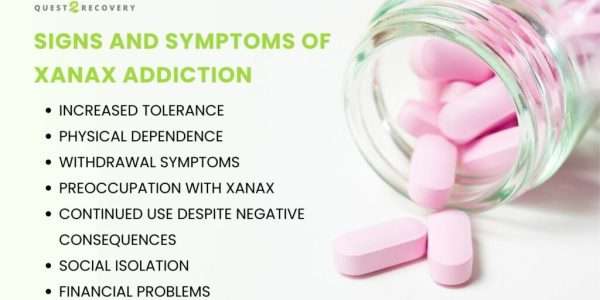
Key Approaches and Support Options for Xanax Addiction Treatment
When it comes to managing anxiety and panic disorders, Xanax is often prescribed by healthcare providers; however, using it properly is crucial to prevent addiction issues from arising. If someone does develop an addiction to Xanax, it’s important to seek out the right treatment options. In this article, we’ll delve into the methods and assistance choices that are accessible for those dealing with Xanax dependency.
Continue Reading . . .
New Research Show Earlier Detection of #Alzheimer’s Than Previously Known
A groundbreaking study has unveiled that Lewy body disease, a leading neurodegenerative disorder after Alzheimer’s, may begin as early as middle age. This challenges previous beliefs that symptoms only appear later in life. Key Findings: Utilizing Finnish forensic autopsy data, researchers discovered markers of Lewy body disease in 9% of individuals…

Local Merrillville Neurologist, Dr. Ungar, Speaks Out About the Luigi Mangione Case
On December the 9th, Luigi Mangione, a 26-year-old engineering graduate of the University of Pennsylvania, an Ivy League school, was arrested and charged with murdering Brian Thompson, the CEO of United Healthcare, America’s biggest health insurer, in a pre-dawn assassination in Manhattan on December the 4th.
Continue Reading . . .

Susie Young Baxter, CEO, has published PanoramaNOW Magazine for 31 years. Her hobbies are Camping, Boating, Hiking, Nature, Gardening and Outdoor Activities. She is an Artist, Graphic Designer, an Avid Seamstress, Dabbles in Homemade Crafts and Landscaping. Since her Father was a Health Teacher, she also likes homeopathic Health Solutions. Since blogging started over 10 years ago, PanoramaNow has been added to Newsbreak – a national news affiliate.


