
Julian Ungar-Sargon MD PhD
Borra College of health Science
Dominican university
As healers, we stand at the intersection of science and spirit, technique and presence. The way we conceptualize the divine—whether as a personal being or an impersonal force—profoundly shapes our approach to patient care. Drawing from Kabbalistic wisdom, I have found that integrating both Western and Eastern understandings of divinity can transform the healing relationship. This synthesis offers a framework for compassionate care that honors both personal connection and transcendent awareness in the sacred space between healer and patient.
The Personal Divine in the Healing Encounter
When I approach a patient with the Western conception of a personal God in mind, I recognize the profound significance of each individual before me. Just as the God of Abraham, Isaac, and Jacob knows each person by name, I strive to truly see my patient—not merely as a collection of symptoms or a medical case, but as a unique soul worthy of attention and care.
This perspective transforms the clinical encounter into a sacred meeting. Each conversation becomes a form of covenant, each therapeutic intervention an act of divine service. When a patient shares their suffering with me, I understand this as an act of profound trust, similar to a prayer offered to a God who listens and responds. My responsibility is not simply to treat, but to bear witness—to hold space for their pain with the same attention that a personal God gives to human prayers.
In practical terms, this means I take time to learn my patients’ stories, to remember details about their lives beyond their medical conditions, and to acknowledge their emotional and spiritual needs alongside their physical symptoms. I recognize that healing often begins with the simple act of being fully present, of conveying through my attention that this person matters deeply.
The Impersonal Divine and Clinical Detachment
Yet there are moments when the Eastern understanding of an impersonal divine offers essential wisdom for my practice. When facing overwhelming suffering or seemingly senseless disease, the concept of transcendent reality beyond human categories provides necessary perspective. Like the Buddhist practitioner who recognizes both compassion and emptiness, I must balance deep care with a certain therapeutic detachment.
This is not emotional coldness but rather a recognition that both my patient and I are part of something larger than our individual selves. The Taoist physician sees illness not as a personal affront but as a manifestation of imbalance in the natural flow of energy. The Hindu healer recognizes both the relative reality of suffering and the ultimate reality that transcends it.
This perspective helps me maintain equanimity when confronted with medical challenges or emotional intensity. It reminds me that healing follows patterns and principles beyond my personal control, and that sometimes my role is to align with these forces rather than impose my will. It also protects against the compassion fatigue that can arise when identifying too closely with patients’ suffering without a larger framework to contain it.
The Kabbalistic Integration: Ein Sof and Sefirot in Patient Care
Kabbalah offers a unique integration of these approaches through its conception of Ein Sof (the infinite, unknowable divine essence) and the Sefirot (the ten divine emanations through which God interacts with creation). As a healer informed by this tradition, I recognize both the ultimate mystery beyond all understanding and the specific divine qualities that can manifest through the healing relationship.
When sitting with a patient, I hold awareness of both transcendence and immanence. There is the unknowable mystery of each person’s unique experience—what I cannot and should not pretend to fully grasp. Yet there are also specific divine qualities I can embody in response:
- Chesed (Kindness): Offering warmth and unconditional positive regard
- Gevurah (Strength): Providing clear boundaries and honest assessments
- Tiferet (Beauty): Finding the balanced, harmonious approach for this unique situation
- Netzach (Endurance): Persisting with hope even in chronic or difficult cases
- Hod (Splendor): Acknowledging my limitations and the patient’s wisdom about their own body
- Yesod (Foundation): Creating a reliable, trustworthy therapeutic relationship
- Malchut (Kingdom): Taking practical action in the physical world
By channeling these qualities, I become not just a technician but a vessel for divine energy. The healing encounter becomes a microcosm of the divine-human relationship—both deeply personal and connected to transcendent reality.
Tzimtzum: Creating Space for the Patient’s Healing Journey
The Kabbalistic concept of Tzimtzum—God’s self-contraction to make space for creation—offers a profound model for therapeutic presence. Just as Ein Sof withdrew its infinite light to allow finite reality to exist, I must contract my own presence, opinions, and agenda to create space for my patient’s experience.
This divine contraction teaches me that sometimes the most powerful intervention is stepping back. By restraining my impulse to fill silence, to fix immediately, or to impose my understanding, I create a void in which the patient’s own healing wisdom can emerge. Paradoxically, this therapeutic self-limitation often proves more healing than my active intervention.
Tzimtzum reminds me that healing isn’t something I do to patients but rather a process I facilitate within them. My technical knowledge matters, but equally important is my capacity to create conditions in which natural healing processes can unfold. Sometimes this means actively contracting my professional certainty to make room for mystery, ambiguity, and the patient’s own understanding of their experience.
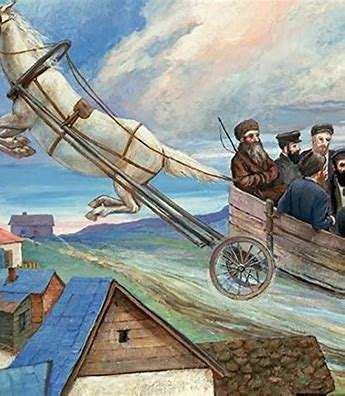
Devekut: Attachment and Presence at the Bedside
The Hasidic emphasis on Devekut—cleaving to God through joyful, sincere devotion—transforms my understanding of clinical presence. Rather than approaching patient care as merely a professional obligation, I can infuse even routine clinical tasks with intentionality and devotion. Taking vital signs, reviewing lab results, changing dressings—all become opportunities for sacred connection. Above all a sense of humor and irony permeates my every interaction no matter how dire the diagnosis or how much anguish my patient is suffering, humor bathes it in a balm of kindness.
The Baal Shem Tov and his disciples taught that divine service could be performed through everyday acts infused with kavvanah (intention). Similarly, the compassionate healer transforms ordinary medical procedures into vehicles for healing presence. This doesn’t require elaborate ritual or spiritual language; rather, it emerges from the quality of attention I bring to each moment with the patient.
At the same time, Hasidic teachings on Bitul (self-nullification) remind me that true presence requires ego transcendence. When I temporarily set aside my personal concerns, professional identity, and need for recognition, I can be fully available to the person before me. This balanced approach—both deeply attached through devotion and detached through self-transcendence—creates the conditions for authentic healing encounter.
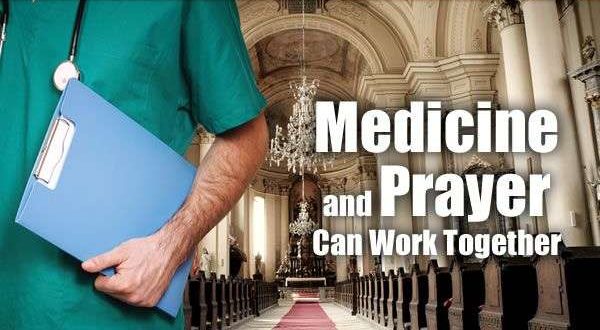
Prayer and Intention in Medical Practice
Prayer takes on new dimensions when viewed through this integrative lens. Rather than simply petitioning a divine being for specific outcomes or passively accepting an impersonal fate, prayer becomes a complex dialogue that honors both divine personality and transcendence.
When facing a difficult case, I might pray in the Western mode—speaking to a God who cares personally about this specific patient’s suffering. This prayer might include requests for guidance, strength, or healing. I say a meditation of intent prior to a procedure that centers the interaction and its risk in a vertical plane. Yet I simultaneously hold the Eastern understanding that there is wisdom beyond my comprehension operating in this situation, and that my role is alignment rather than control.
This integration transforms not just formal prayer but the healing intention I bring to each encounter. Before entering a patient’s room, I take a moment to center myself—to become aware of both divine presence within me and transcendent reality beyond me. This brief practice helps me approach the interaction with both personal warmth and spacious awareness.
I’ve found that patients intuitively sense this quality of presence. Without necessarily using spiritual language, they often respond to the combination of personal care and transcendent perspective. Many report feeling “seen” not just as bodies to be fixed but as whole beings worthy of reverence.
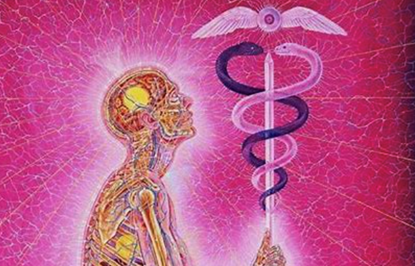
Understanding Suffering: The Healer’s Perspective
Perhaps the greatest challenge in compassionate care is making sense of suffering. Why do good people experience terrible illness? How can we reconcile a loving God with the reality of pain? The Kabbalistic synthesis offers no simple answers but provides a framework for holding these questions.
Through the lens of Tzimtzum,[1] I understand that contraction and concealment are built into the very structure of reality. Just as God’s self-limitation was necessary for creation, certain forms of limitation—including illness—may serve purposes beyond my understanding. This doesn’t mean dismissing suffering as “meant to be,” but rather holding it within a larger context that includes both divine care and cosmic pattern.
When sitting with a patient receiving a difficult diagnosis or facing chronic pain, I don’t offer platitudes about divine plans. Instead, I create space for their authentic response—anger, fear, confusion—while maintaining a quiet confidence that even this experience exists within a meaningful universe. Sometimes the most compassionate response is simply acknowledging the mystery together.
The Kabbalistic perspective also reminds me that healing doesn’t always mean cure. Sometimes it means finding wholeness within limitation, connection amid isolation, or meaning within suffering. As a healer, my role includes helping patients navigate not just physical symptoms but existential questions that arise in illness.
Conclusion: The Integrated Healer
By integrating Western and Eastern conceptions of divinity through a Kabbalistic lens, the compassionate healer develops a practice that is both deeply personal and transcendently aware. This integration manifests in several practical dimensions:
- Relational Presence: Engaging with each patient as a unique individual worthy of full attention while recognizing the universal patterns that connect all beings
- Balanced Intervention: Offering both active treatment based on medical knowledge and receptive awareness that creates space for natural healing processes
[1] See my recent essays in https://www.jyungar.com/healing-essays
- Spiritual Companionship: Walking alongside patients as they navigate not just physical symptoms but questions of meaning, purpose, and connection
- Self-Care: Maintaining both compassionate engagement and healthy boundaries through practices that nurture both personal devotion and transcendent awareness
In my years of practice, I’ve found that this integrated approach sustains not just effective patient care but my own resilience and joy in the healing profession. By holding both the personal and impersonal dimensions of the divine, I avoid both the burnout that can come from over-identification with suffering and the detachment that can lead to clinical coldness.
The patient-healer relationship becomes a sacred space where divine presence can manifest—both as personal care and transcendent wisdom. In this space, technical competence and spiritual presence merge, creating the conditions for healing at multiple levels. Through this Kabbalistic integration, the compassionate healer becomes not merely a medical provider but a vessel for divine healing energy, honoring both the intimate personality and infinite mystery of the divine.
References available upon request.
MORE HEALTH RELATED ARTICLES . . .
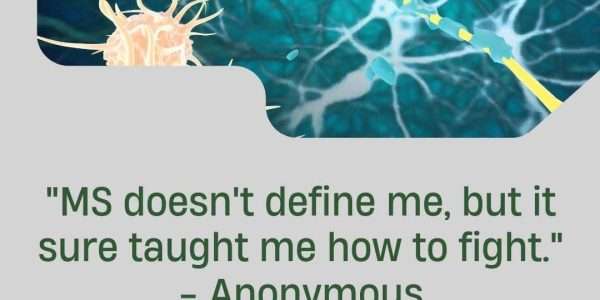
Dr Ungar Talks about Spotting Multiple Sclerosis Symptoms and Seeking Help!
by Dr. Ungar
Understanding Multiple Sclerosis: Spotting Symptoms and Seeking Help!
Let’s shed light on Multiple Sclerosis (MS), a condition that requires our attention and understanding. If you or someone you know is experiencing these symptoms, seeking professional help is crucial: Common MS Symptoms: Fatigue Numbness or tingling Muscle weakness Difficulty…

Dr Ungar – A Local Chicago / Merrillville Doctor Offers Immigration Exams
Immigration to the USA is strict. Certain medical conditions can make you ineligible to enter the country. Whether you’re planning a short visit or aiming to stay permanently, you must prove you won’t endanger public safety or pose a health risk.
Medical inadmissibility is uncommon in immigration. In rare cases, a waiver or an exception may be granted for a medical disqualification. Immigrants should understand that medical inadmissibility is a serious matter.
Continue Reading . . .

New Research Show Earlier Detection of #Alzheimer’s Than Previously Known
A groundbreaking study has unveiled that Lewy body disease, a leading neurodegenerative disorder after Alzheimer’s, may begin as early as middle age. This challenges previous beliefs that symptoms only appear later in life. Key Findings: Utilizing Finnish forensic autopsy data, researchers discovered markers of Lewy body disease in 9% of individuals…

March is Brain Injury Awareness Month!
Did you know that brain injuries can happen to anyone, anywhere, at any time? This month, let’s raise awareness about the importance of brain health and safety. Brain injuries can sometimes go unnoticed or undiagnosed, leading to long-term complications. Conditions like concussions, traumatic brain injuries (TBI), and chronic traumatic encephalopathy (CTE) are commonly missed but…
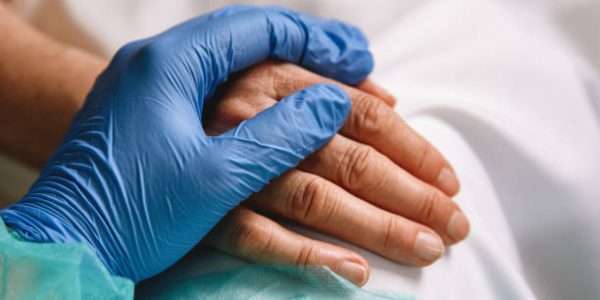
A New Vision for the Physician – Patient Relationship By Dr. Ungar
Integrating Spiritual, Intuitive, and Holistic Dimensions by Julian Ungar-Sargon MD PhD Borra College of Health Sciences Dominican University April 2025 INTRODUCTION Contemporary healthcare exists at a crossroads. Despite remarkable technological advancements, there remains a profound disconnect between practitioners and patients, between clinical protocols and lived experiences of illness. This chapter proposes a…

Common Communication Barriers Between Doctors and Patients
Overcome healthcare barriers like language and communication issues. Advocate for clear conversations with providers to ensure informed decisions.

How Hyperbaric Oxygen Therapy Can Help You
Discover how hyperbaric oxygen therapy can accelerate wound healing, enhance brain function, reduce inflammation, and potentially support PTSD recovery.

Dr. Ungar Talks about Religion & Medicine During Passover
by Dr. Ungar Introduction As healers, we stand at the intersection of science and spirit, technique and presence. The way we conceptualize the divine—whether as a personal being or an impersonal force—profoundly shapes our approach to patient care. Drawing from Kabbalistic wisdom, I have found that integrating both Western and Eastern understandings of divinity…
MORE HEALTH RELATED ARTICLES. . .

Crispy Kings – 6 Reasons Why You Need an Air Fryer in Your Kitchen
It’s easy to assume that an air fryer is just another appliance to take up valuable bench space and gather dust. Yet, unlike your bulky bread maker and noisy blender, the air fryer is a versatile, fun, and helpful appliance that you can quickly and comfortably use every day for yourself or your whole family. …

Susie Young Baxter, CEO, has published PanoramaNOW Magazine for 31 years. Her hobbies are Camping, Boating, Hiking, Nature, Gardening and Outdoor Activities. She is an Artist, Graphic Designer, an Avid Seamstress, Dabbles in Homemade Crafts and Landscaping. Since her Father was a Health Teacher, she also likes homeopathic Health Solutions. Since blogging started over 10 years ago, PanoramaNow has been added to Newsbreak – a national news affiliate.


