
When it comes to addiction recovery, you’ve probably heard the term “comprehensive recovery” before. But what does it mean, and why is it so important? If you’re reading this, you might be at a point where you or someone you love is struggling with addiction, and you’re seeking answers. You’re likely feeling uncertain, even overwhelmed. Many people face the same questions, and a comprehensive approach to recovery could be the key to the long-term healing and peace you’re looking for.
What Is Comprehensive Recovery?
Comprehensive recovery means looking at the whole picture of addiction and addressing all areas of a person’s life that addiction affects. Addiction impacts mental health, emotional well-being, relationships, and even your sense of self, along with physical health. Comprehensive recovery focuses on treating the entire person, not just the symptoms of addiction. It’s about healing you from the inside out to create a foundation that supports lasting change.
Why a Comprehensive Approach Matters
If you’ve tried to overcome addiction before, you may know that it isn’t easy. Perhaps you’ve experienced short periods of sobriety, only to find yourself slipping back into old patterns. Or maybe you’re just starting the journey and want to do it right from the beginning. Addiction can often feel like a never-ending cycle, and traditional, one-size-fits-all methods may not be enough. Approaches to comprehensive recovery care matter because they are designed to tackle addiction at its core. Instead of treating only the physical symptoms, it addresses your life’s mental, emotional, social, and spiritual parts.
The Four Pillars of Comprehensive Recovery
A comprehensive recovery program typically focuses on four main areas: physical, psychological, social, and spiritual well-being. Each pillar is vital in creating a balanced recovery plan tailored to your unique needs.
1. Physical Recovery: Healing the Body
Addiction takes a toll on your body. The first step in a comprehensive recovery plan often involves physical healing, which may include medically supervised detox, if necessary. Detox helps remove harmful substances from your body safely and under professional care. But physical recovery doesn’t stop there. It can also include proper nutrition, regular exercise, and, in some cases, medication to support your recovery journey. Physical healing is essential because a healthier body can support a healthier mind. When you feel better physically, you’ll have more strength and energy to focus on the mental and emotional work of recovery.
2. Psychological Recovery: Healing the Mind
Addiction isn’t just about the physical craving; it often involves deep-rooted mental and emotional struggles. Comprehensive recovery programs recognize this and include therapy to address these underlying issues. You may work with professionals who can help you understand the reasons behind your addiction, deal with painful memories, or learn new ways to cope with stress. Therapies like Cognitive Behavioral Therapy (CBT), for example, help you change the negative thought patterns that can lead to addictive behaviors. Psychological recovery helps you identify and fill that gap with healthier coping mechanisms, giving you back control over your choices.
3. Social Recovery: Building a Support System
Addiction often isolates people, damaging relationships with family, friends, and colleagues. Comprehensive recovery involves repairing these relationships and developing a support network around you. Group therapy, family counseling, and peer support groups enable you to connect with individuals who connect and empathize with what you are going through. These connections remind you that you aren’t alone on this journey. When surrounded by people who genuinely care and understand, you’ll find it easier to stay committed to your goals.
4. Spiritual Recovery: Finding Inner Peace
The spiritual aspect of recovery is about finding a sense of inner peace and purpose. Addiction can often leave you feeling empty, disconnected, and searching for something meaningful. Comprehensive recovery often encourages practices like mindfulness, meditation, or even creative expression to help you reconnect with yourself and find a sense of purpose. Spiritual recovery is about discovering what gives your life meaning. When you connect with something bigger than yourself, like nature, art, or simply the joy of living, you create a foundation that helps you stay grounded and focused.
Final Thoughts
Comprehensive recovery is a journey. But with a plan that considers every aspect, you can set yourself up for a much stronger, longer-term recovery. You’ll learn to manage stress, avoid triggers, and repair relationships. Above all, you will find that recovery is about much more than becoming sober. Taking that first step might feel overwhelming, but remember, you’re choosing to live a life that’s fulfilling, balanced, and genuinely yours.
MORE Health Related Articles . . .

11 Proven Anxiety Treatments That Actually Work
Anxiety affects millions every day, making it impossible to function normally or feel great. It is essential to understand how remedies work for anyone seeking relief from anxiety. This guide will cover different practical approaches to controlling anxiety to help people who need valuable tips. 1. Cognitive Behavioural Therapy (CBT) Cognitive Behavioral Therapy is still recognized as…

Understanding Dual Diagnosis: Treating Mental Health and Addiction Together
If you or someone you care about has been struggling with both mental health issues and addiction, you might feel overwhelmed, unsure where to start, or confused about which problem to address first. This situation is more common than you think, and it even has a name: dual diagnosis. Understanding dual diagnosis and getting the…

Choosing the Right Detox Facility for Effective Drug and Alcohol Treatment
Choosing the Right Detox Facility for Effective Drug and Alcohol Treatment Finding the perfect detox center is a step in the process of seeking effective treatment for drug and alcohol issues. It plays a crucial role in one’s recovery journey, with plenty of choices to consider, making it challenging to decide wisely. This article aims…

Safety Tips for Going Out on the New Year
Not many people realize that the end of the year and the beginning of the next are the most dangerous times of the year. Increased recklessness and criminal activity make this time of year so dangerous. The biggest dangers are New Year’s Eve and Day, as people drink a lot and go to massive parties. Here are a few tips to follow when going out to keep yourself safe on these days. Go With Friends. . .
Continue Reading

The Difference Between an Additive and an Adulterant
Knowing what goes into the goods and medicines we consume is much more complicated than reading the ingredients label. The development of rules surrounding ingredients comes from a long history of shady business practices. The difference between an additive and an adulterant is at the heart of this topic. The fight to keep consumable products safe continues to this day.
Continue Reading . . .
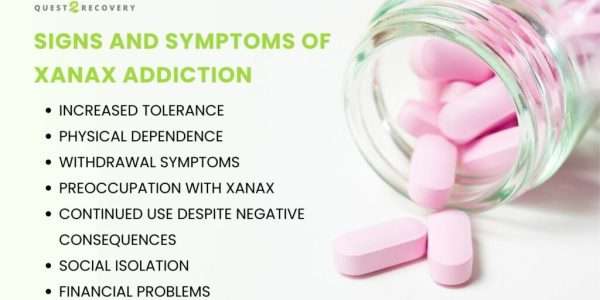
Key Approaches and Support Options for Xanax Addiction Treatment
When it comes to managing anxiety and panic disorders, Xanax is often prescribed by healthcare providers; however, using it properly is crucial to prevent addiction issues from arising. If someone does develop an addiction to Xanax, it’s important to seek out the right treatment options. In this article, we’ll delve into the methods and assistance choices that are accessible for those dealing with Xanax dependency.
Continue Reading . . .

Dance Your Stress Away: The Wellness Benefits of Belly Dance for All Ages
More Than Just Hip Circles Initially, hip circles serve as a warm-up for athletics or dance. That is a superficial view. Have you ever experienced your lower back feeling sore after sitting for an extended period? Or did you think of stiffness before rising? It’s your hips telling you they’re not used well or are…

Susie Young Baxter, CEO, has published PanoramaNOW Magazine for 31 years. Her hobbies are Camping, Boating, Hiking, Nature, Gardening and Outdoor Activities. She is an Artist, Graphic Designer, an Avid Seamstress, Dabbles in Homemade Crafts and Landscaping. Since her Father was a Health Teacher, she also likes homeopathic Health Solutions. Since blogging started over 10 years ago, PanoramaNow has been added to Newsbreak – a national news affiliate.


