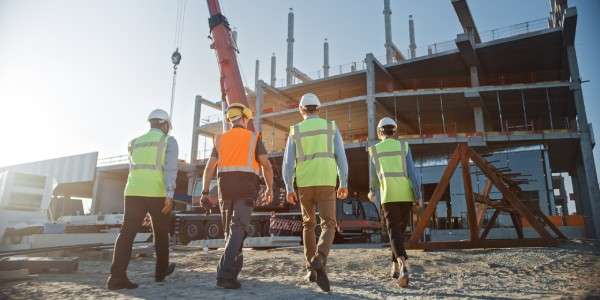
Safety on construction sites is not just a regulatory requirement; it’s a moral imperative. Site managers hold the crucial responsibility of ensuring that every worker returns home safely. Safety should always be at the front of any site manager’s mind, as construction sites are fraught with potential hazards. Common injuries, ranging from minor cuts to severe falls, can have detrimental effects on both the affected individuals and the overall progress of the project. Implementing effective ways to reduce injuries on a construction site is an essential part of maintaining a productive and harmonious work environment.
Implementing a Strong Safety Culture
One of the most successful ways to mitigate risks and prevent injuries is by fostering a strong safety culture. Leadership plays a pivotal role in this endeavor. When site managers prioritize safety, it sets a precedent for everyone on site. Creating and enforcing comprehensive safety policies is essential. These policies should cover every aspect of the workday, from mandatory helmet use to protocols for handling hazardous materials. It’s not enough to simply draft these policies; enforcing them consistently and ensuring every worker understands them is key to their success.
Regular Site Inspections and Maintenance
Regular site inspections and maintenance are another critical component of a safe construction environment. Identifying hazards early on can prevent potential accidents. Best practices for conducting thorough inspections include a systematic approach that covers all areas of the site. Engaging workers in this process can also be beneficial, as they’re often the first to notice issues.
Using the right equipment for the job is another way to prioritize safety. For instance, investing in heavy-duty lifting clamps ensures that overweight materials are secure during lifting and transport. Similarly, if you’re lifting heavy concrete pipes, you’ll need dedicated concrete pipe lifting devices to maintain a safe and efficient jobsite. Keep in mind that tools and machinery in good working condition are less likely to fail and cause injuries.
Providing Comprehensive Training
Comprehensive training is the best tool for equipping workers with the knowledge they need to stay safe. Ongoing education ensures that all workers, regardless of experience level, are aware of current best practices and potential hazards. Specific training programs, such as those focusing on fall protection or hazard communication, can address particular risks associated with different types of construction work. Leveraging resources from reputable safety organizations can also provide valuable, up-to-date information for training sessions.
Utilizing Safety Equipment and Technology
Incorporating safety equipment and technology into daily operations can significantly reduce the risk of injuries. The latest safety gear, such as advanced helmets and gloves, offers better protection than older models. Technology, such as wearable devices that monitor worker vitals or drones that inspect hard-to-reach areas, can provide critical real-time data that enhances safety on site. Integrating these tools requires careful planning and training, but the benefits far outweigh the initial effort and cost.
Site managers must implement these ways to reduce injuries on a construction site and foster a safer working environment for their teams. Continuous improvement, vigilance, and a multifaceted approach are essential to creating a productive and safe jobsite.
MORE BUSINESS RELATED ARTICLES . . .

What Applications Can Benefit from Custom Metal Stamping?
Discover how industries like automotive, aerospace, and healthcare benefit from custom metal stamping for precise, durable, and cost-effective components.

Hoist Safety Checks To Perform Prior to Use
Stop! Hands off the control station! Don’t use a hoist without performing these safety checks first if you want to avoid accidents and injuries.

Tips To Ensure Employee Safety During Construction Projects
When construction firms start work on projects, two main concerns they have are the budget and the schedule. However, keeping workers safe should always remain the main priority. A safe workplace leads to fewer accidents and stronger team morale, as well as higher productivity, allowing the crew to meet that tight schedule. Review these tips to ensure employee safety during construction projects so that you can prevent workers from experiencing harm while performing their duties.
Continue Reading . . .

How To Keep a Construction Project Organized
Construction workers must complete many tasks before deadlines. However, disorganization could mess with the timeline. Workers can avoid delays by taking actionable steps. Here’s how to keep a construction project organized and follow the timeline. Clear and Detailed Planning Having clear plans of action is the foundation of a successful construction project. Before breaking ground,…

4 Common Commercial Welding Methods And Their Applications
It is common for commercial spaces to opt for welding services, given the results are long-lasting and known to stand the test of time. Whether you have a business that deals with the regular movement of heavy equipment or are looking to upgrade existing structures to meet your changing needs, incorporating a permanent solution like…

Susie Young Baxter, CEO, has published PanoramaNOW Magazine for 31 years. Her hobbies are Camping, Boating, Hiking, Nature, Gardening and Outdoor Activities. She is an Artist, Graphic Designer, an Avid Seamstress, Dabbles in Homemade Crafts and Landscaping. Since her Father was a Health Teacher, she also likes homeopathic Health Solutions. Since blogging started over 10 years ago, PanoramaNow has been added to Newsbreak – a national news affiliate.


